Nothing Performs Like Chemtronics

Coventry Poly-Wipes Cleaning

Coventry Poly-Wipes

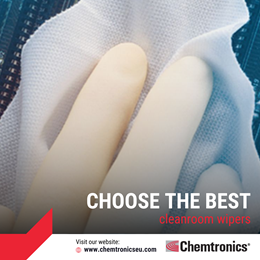
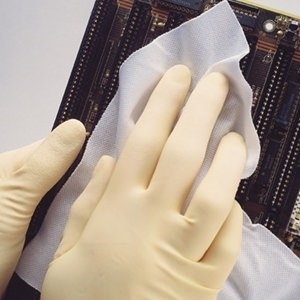
Coventry™ cleanroom laundered polyester wipes offer an extra level of protection for critical applications. Our Poly-wipes™ are made from 100% continuous filament polyester – the standard in cleanroom wipes – minimizing particle generation. Poly-wipes™ are laundered in our Class 10 (ISO Class 4) cleanroom, and are available with our exclusive heat-cut edge sealing process (HC).

Features & Benefits

  • Excellent solvent and acid resistance
  • Monofilament "no-run" construction does not generate loose fibers
  • Excellent durability for cleaning rough, abrasive, or irregular surfaces
  • Low ionic, nonvolatile residue and particle contamination
  • Good absorbency
  • Available in heavy or light weight styles
  • Processed and packaged in a Class 10 cleanroom

Applications

  • Semiconductor Wafer Fabs
  • Aerospace Production Areas
  • Disk Drives Production Areas
  • Pharmaceutical / Biotechnical Production Areas
  • General Cleanroom Cleaning
  • Clean and polish critical surfaces both metal and non-metal

Swipe to View Add to Cart Button 

Part # Size
6209

150 wipes per bag,
9"x9" (22.9 cm x 22.9 cm)
Light-weight polyester (high absorbency)

Contact us for further details

FAQ's

What are the proper cleanroom wiping techniques?

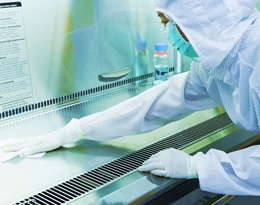
Proper cleanroom wiping techniques are essential to maintain the cleanliness and integrity of the controlled environment. Cleanrooms are used in various industries, such as pharmaceuticals, electronics, aerospace, and biotechnology, where even the tiniest contaminants can be detrimental to the processes or products being produced. Here are some key steps and guidelines for cleanroom wiping: Use the right materials: Select appropriate wiping materials that are compatible with the cleanroom environment. Common materials include non-woven wipes, microfiber wipes, and polyester wipes. They should have low particle generation, low linting, and be free from contaminants. Wear proper cleanroom attire: Before starting any wiping procedure, ensure you are wearing the appropriate cleanroom garments, including gloves, a gown, and a face mask, to prevent the introduction of particles and skin oils. Prepare the wiping solution: If a wiping solution is necessary, use a cleanroom-approved cleaning agent. Some cleanrooms use isopropyl alcohol or other specialized cleaning solutions. Ensure the solution is properly diluted according to the manufacturer's recommendations. Follow a wiping pattern: Adopt a systematic wiping pattern to ensure complete coverage of the area. Start from the cleanest area and work towards the dirtier zones. Avoid cross-contamination between different surfaces. Use gentle pressure: Apply only light pressure while wiping to avoid damaging sensitive surfaces or releasing particles into the air. One-directional wiping: Whenever possible, use one-directional wiping, moving from one side to the other, to prevent particles from being redistributed. Change wipes regularly: Replace wipes frequently to avoid spreading contaminants. Dispose of used wipes properly according to cleanroom protocols. Avoid wiping overhead surfaces: Wiping overhead surfaces can release particles downward, contaminating lower surfaces. Use alternative cleaning methods for these areas. Follow cleanroom class-specific protocols: Different cleanrooms have different cleanliness classifications (ISO Class 1 to 9, for example), each with its specific protocols. Ensure you follow the appropriate procedures for your cleanroom class. Perform regular training: All cleanroom personnel should receive proper training on cleanroom wiping techniques to ensure consistency and effectiveness. Always adhere to the cleanroom's specific Standard Operating Procedures (SOPs) and guidelines while performing any cleaning tasks. Proper cleaning and wiping techniques are critical to maintaining a controlled environment and ensuring the quality of products or processes within the cleanroom.

What are the different cleanroom wipe materials?

Cleanroom wipes are essential tools in controlled environments like semiconductor manufacturing, pharmaceuticals, biotechnology, aerospace, and other industries where maintaining a clean and sterile environment is critical. Different materials are used to make cleanroom wipes, each with specific properties suited for various tasks. Some common cleanroom wipe materials include: Polyester: Polyester cleanroom wipes are made from continuous filament polyester fibers. They are low in particles and fibers, providing excellent cleanliness and abrasion resistance. Polyester wipes are suitable for general cleaning purposes and critical wiping tasks in cleanrooms. Polypropylene: Polypropylene cleanroom wipes are made from 100% melt-blown polypropylene fibers. They offer high absorbency, low particle generation, and chemical compatibility. These wipes are often used for absorbing spills and cleaning sensitive surfaces. Microfiber: Microfiber cleanroom wipes are made from ultrafine synthetic fibers, usually a blend of polyester and polyamide. They are known for their high absorbency and ability to capture and trap smaller particles effectively. Microfiber wipes are suitable for wiping delicate surfaces without scratching them. Cellulose: Cellulose cleanroom wipes are made from natural wood pulp fibers and synthetic binders. They are soft, absorbent, and non-abrasive, making them suitable for gentle cleaning of surfaces and equipment. Polyester fibers are often added (commonly called ""poly-cellulose"") to increase the strength of the material, especially when wet. Cotton: Cotton cleanroom wipes are made from natural cotton fibers. They are soft and absorbent, but they can produce more particles compared to synthetic materials, making them less common in critical cleanroom applications. Knit: Knit cleanroom wipes are made by knitting together synthetic fibers. They are strong, soft, low-linting, and provide good wiping performance. Nonwoven: Nonwoven cleanroom wipes are made from fibers that are mechanically or chemically bonded together without weaving. They come in various materials, such as polyester, cellulose, polypropylene, rayon, and blends, offering different levels of absorbency and cleanliness. When choosing a cleanroom wipe material, consider factors such as the level of cleanliness required, compatibility with cleaning agents, absorbency, abrasion resistance, and the type of surfaces to be cleaned. Different cleanroom classifications and applications may demand specific materials to meet their cleanliness and contamination control needs.

Articles

Impact of Cleanroom Wipe Material Structure on Absorption Capacity

In semiconductor facilities, cleanrooms minimize environmental contamination's impact on product yields. Manufacturing companies invest significantly in their construction and decontamination, as per desired ISO class levels. Among different physical methods of decontaminating cleanrooms, ...
Read This Post
8 Most Important Features When Choosing a Wipe for Critical Equipment Cleaning

Cleanroom-grade wipes are designed to reduce the generation of particulate contamination when used in a critical environment. When choosing a wipe for critical equipment cleaning, there are several important features to consider. Here are eight of the most important features:   1. Materia...
Read This Post
You did not finish submitting your information to request a sample